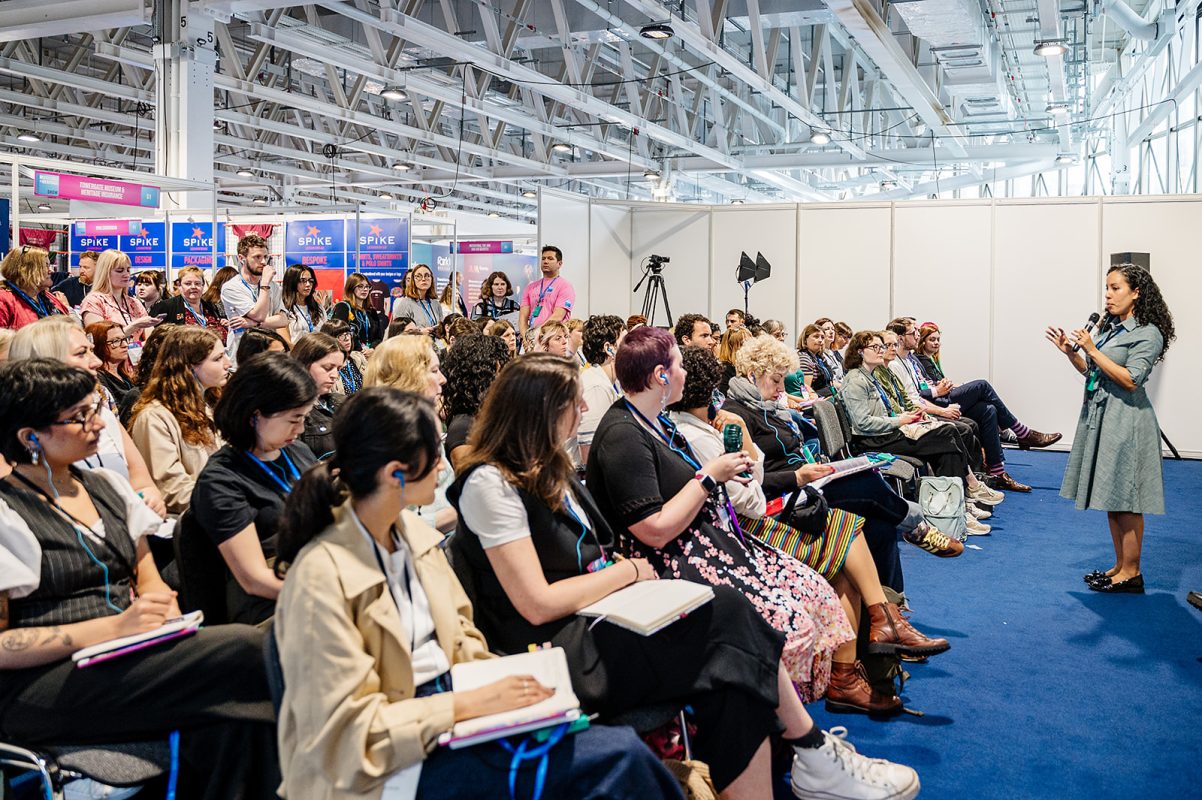
About Me
I was raised between southern Spain and New York. My family background is Spanish, American, and Jamaican. Growing up between these culturally vibrant worlds—and studying their entangled histories—shaped my understanding that the past isn't something distant. It's in the languages we speak, the cities we live in, and the inequalities we navigate.
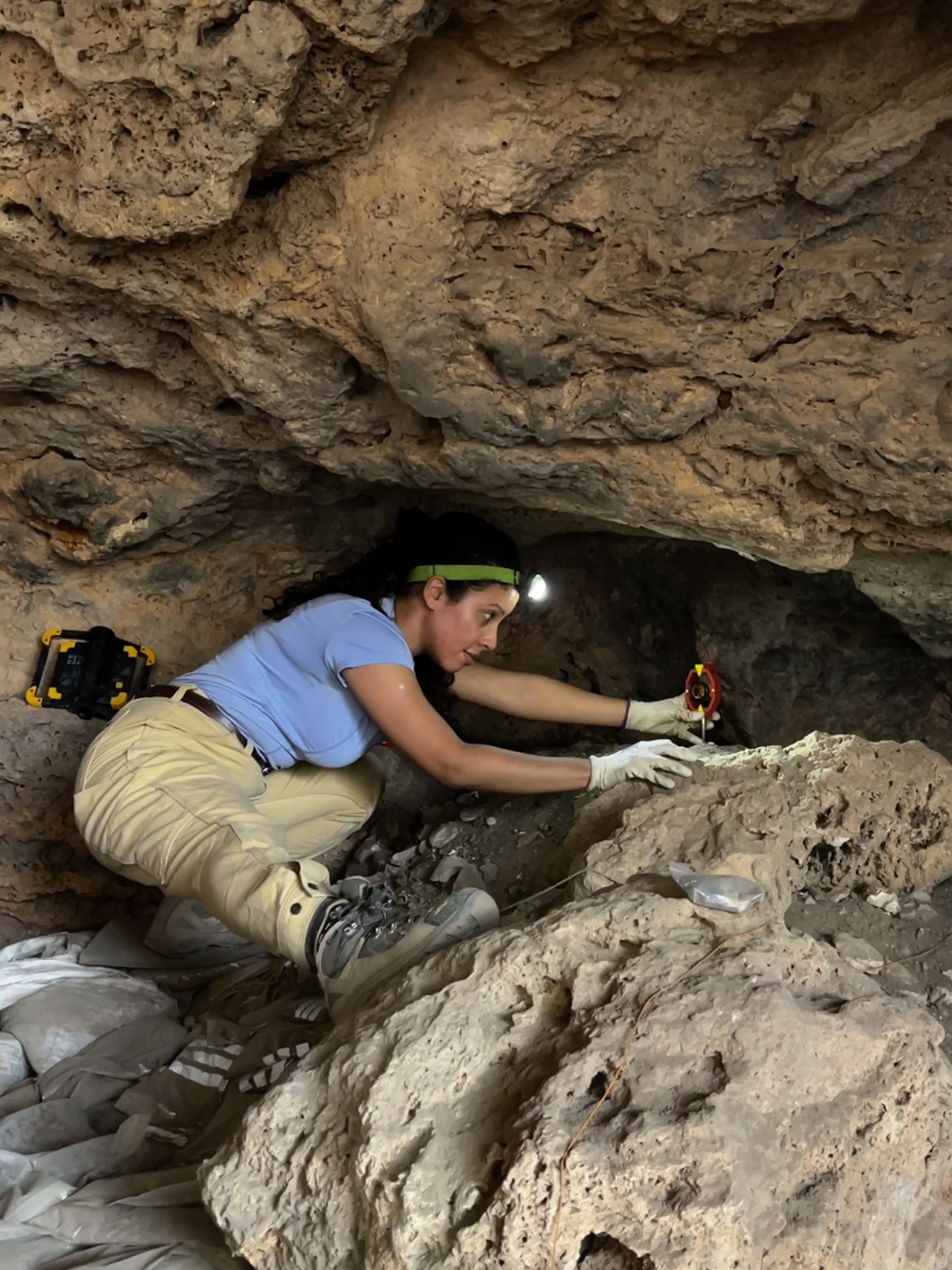
I became an archaeologist because I've always been drawn to history, science, languages, food, travel, and culture. This profession combines them all while offering direct contact with the people who came before us through the tangible remnants of their lives. My first excavation was in Orkney, Scotland, 17 years ago, and since then, I have had some of the most fun and life-changing experiences doing fieldwork across the globe.
In addition to finding it personally fascinating, I have also discovered that archaeology is a powerful tool for learning about people who didn't make it into history books—the majority of us. My work shows how they resisted, survived, and adapted, particularly in contexts of colonial oppression.
I bring awe, curiosity and commitment to every project, asking hard questions, demanding ethical practice, and centering the voices that have been considered less important. History is more complicated than we were taught and we must study it with honesty and urgency if we are to build a more just future together.
Education & Professional Experience
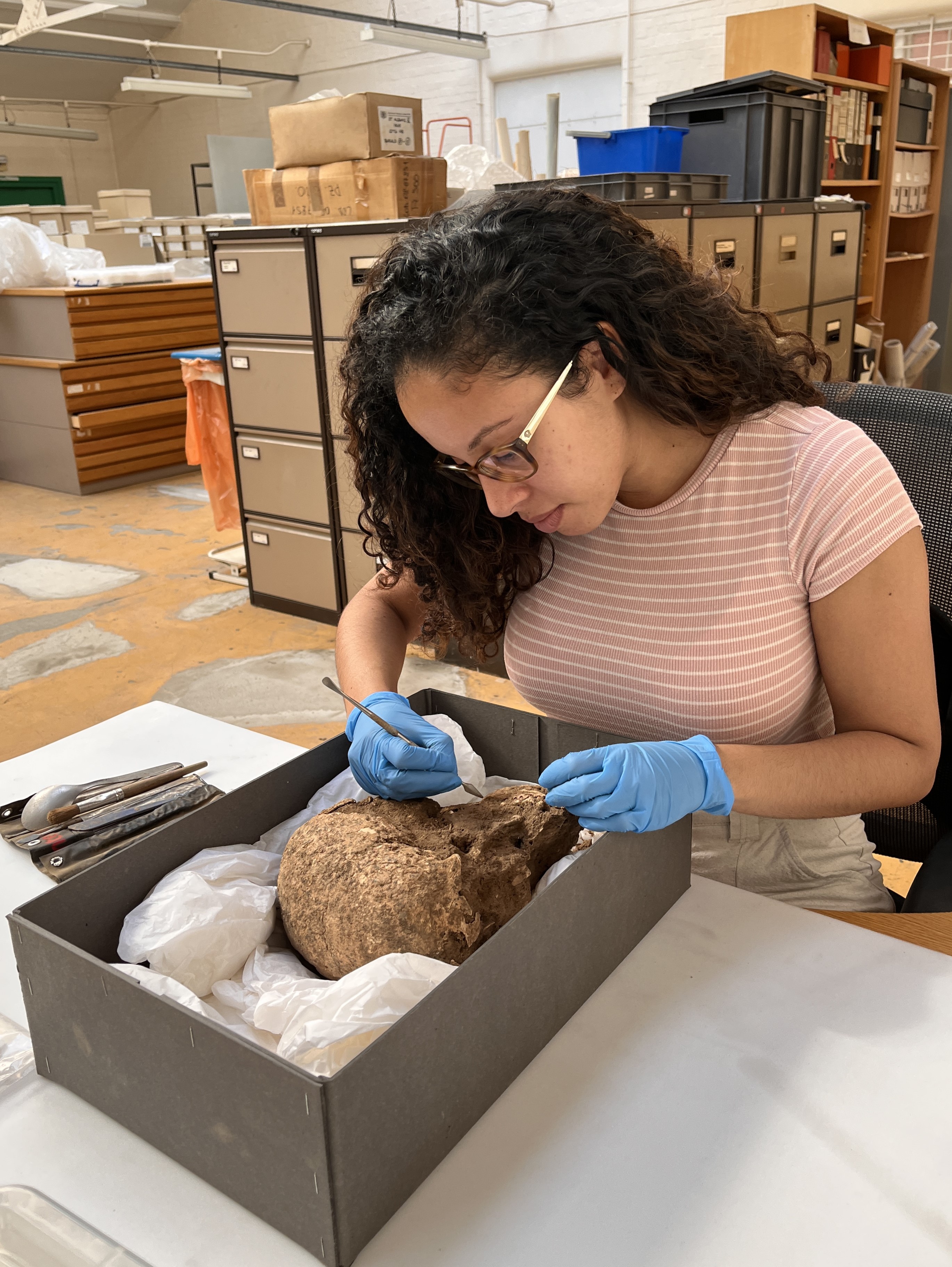
I trained in Classical Archaeology and Anthropology at Hunter College, City University of New York, where I learned that material culture speaks when written records are silent. I later specialized in Human Osteology and Funerary Archaeology at the University of Sheffield, UK, focusing on what human remains reveal about lived experience.
My fieldwork has taken me across continents and time periods. I've excavated the medieval cemetery of Hofstaðir, in Iceland; Roman and Iron Age settlements and cemeteries in Wales; explored Amerindian settlements and a colonial era plantation home in Antigua & Barbuda; unearthed the 15,000-year-old cave cemetery of Taforalt in Morocco, and excavated the 100,000-year-old Neanderthal sites in Atapuerca and Sima de las Palomas, Spain. In Turkana, Kenya, I conducted laboratory research deepening our understanding of human origins. Each site taught me that archaeology is fundamentally about people—how they lived, what they valued, and what they left behind, intentionally or not.
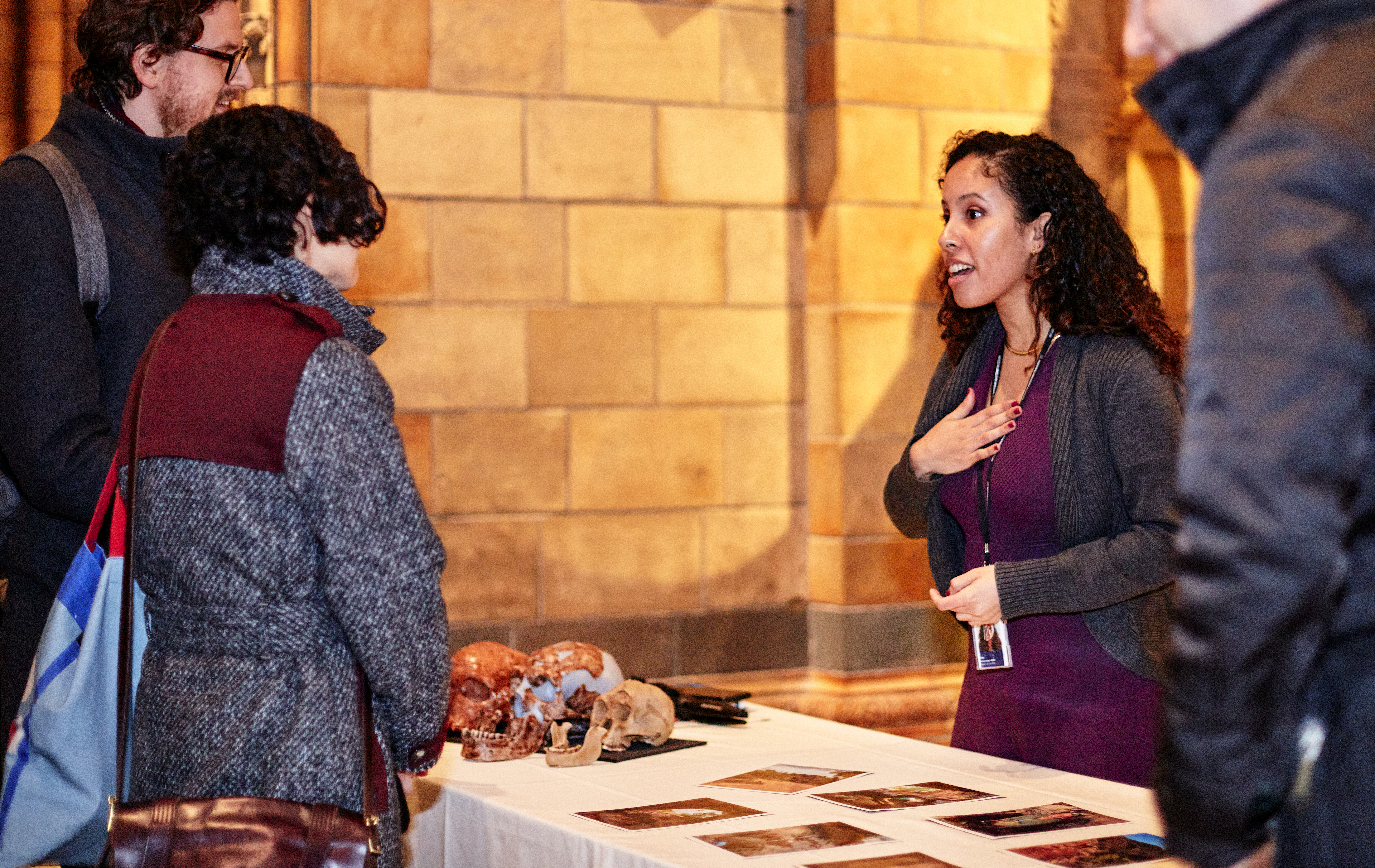
Over the years, I've held positions at some of the world's leading institutions. As Curator of Archaeological Assemblages at the British Museum, I led efforts to rationalize and decolonize archaeological collections, shaping more inclusive narratives about our shared past. At the Natural History Museum in London, I conducted research into human evolution as part of the Centre for Human Evolution Research, analyzing skeletal collections from Morocco. As an Affiliate Scholar of the McDonald Institute for Archaeological Research, University of Cambridge I have introduced innovative perspectives bridging the gaps between past and present, heritage and humanity, challenging traditional archaeological paradigms.
I'm currently a Trustee for the Council for British Archaeology, advocating for inclusivity in the heritage sector, and a Founding Member of the European Society of Black and Allied Archaeologists, building a community that ensures the stories we tell about the past reflect the breadth of human experience.
These institutional experiences taught me both the power and the limitations of museums. They can preserve and share knowledge—but they also hold the material remains of colonial violence. Working inside major institutions showed me what ethical practice looks like in action: who we consult, what we repatriate, how we tell difficult stories, and when we acknowledge we shouldn't be the ones telling them.